Tactical · Rogelite · RPG · Internal IP
DeathTower
Headbang Club · 2024 – 2026
Headbang Club · 2024 – 2026
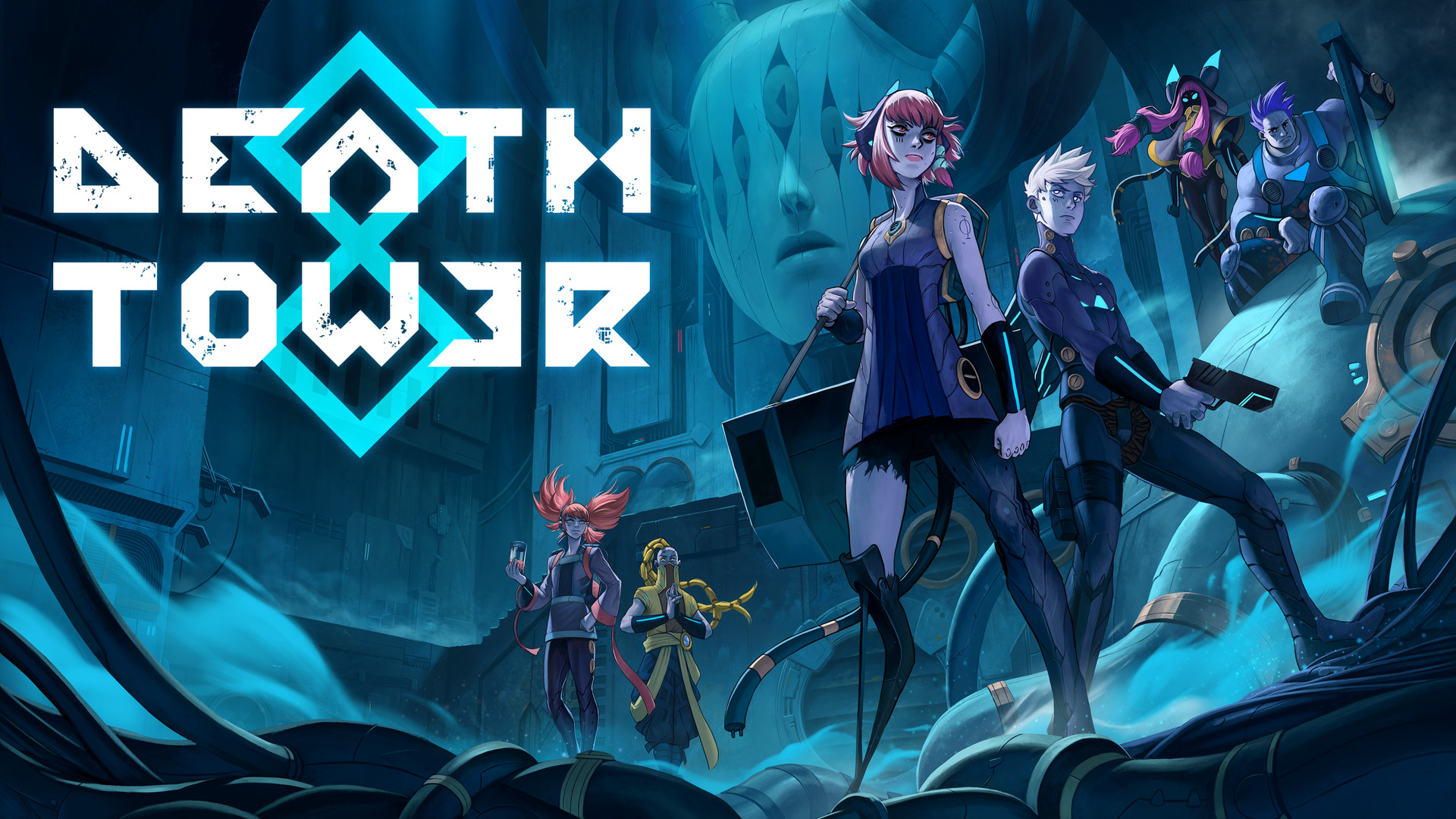
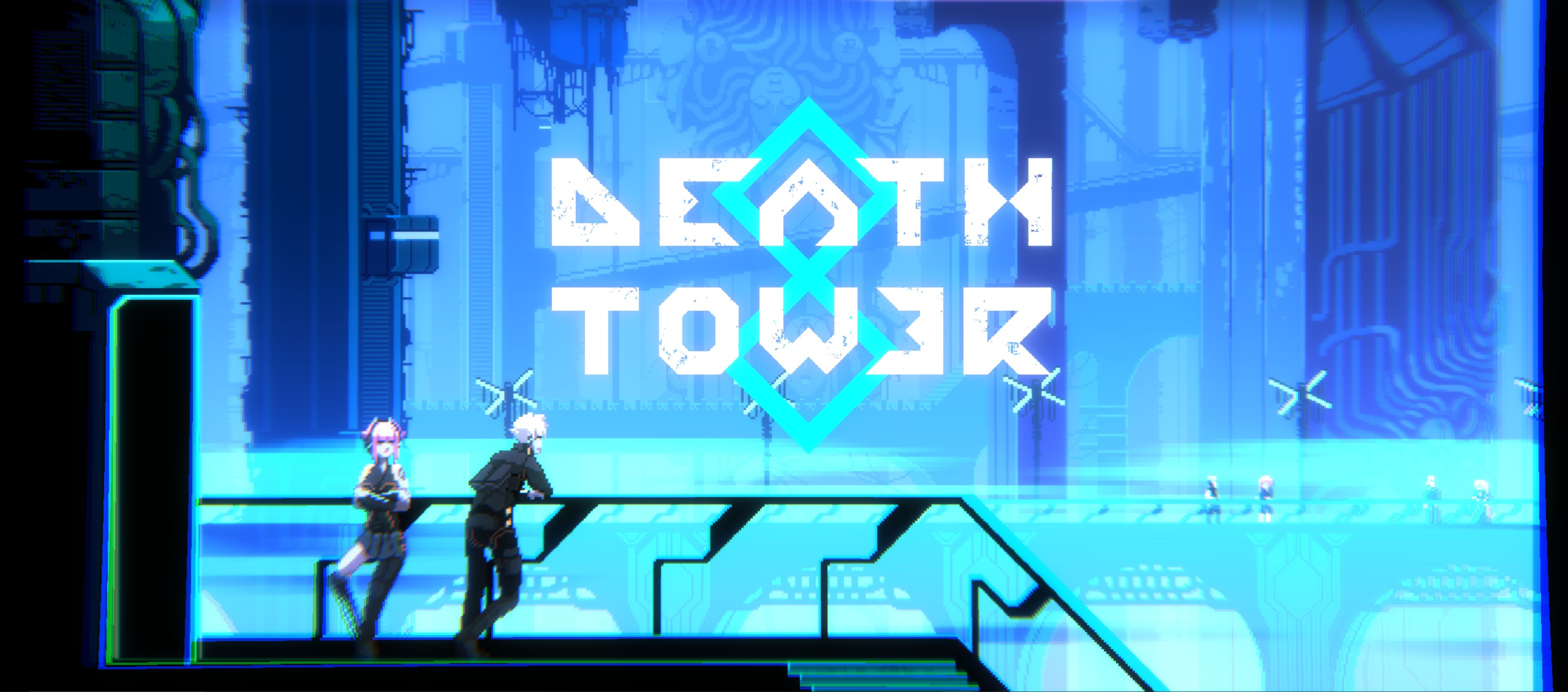
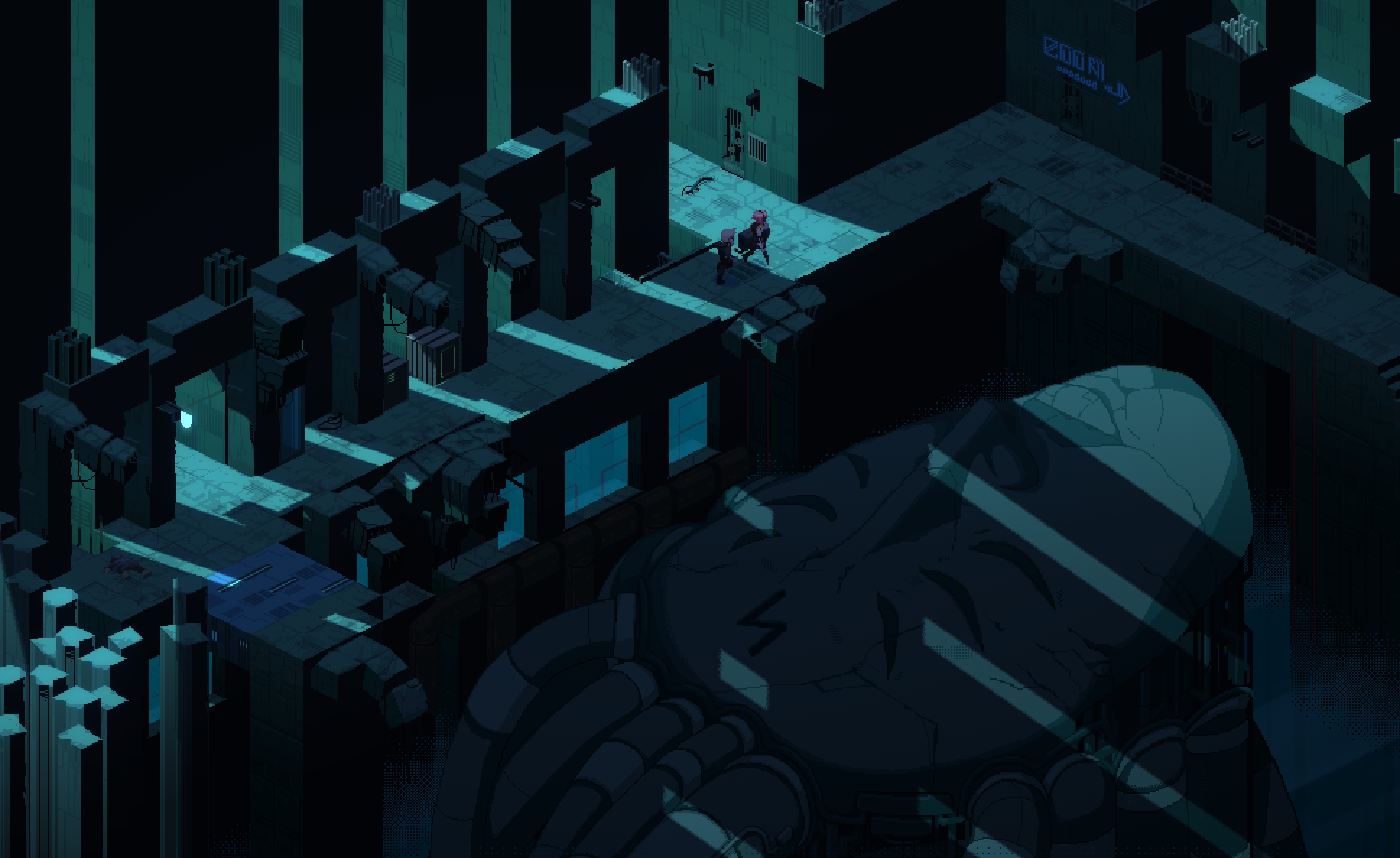
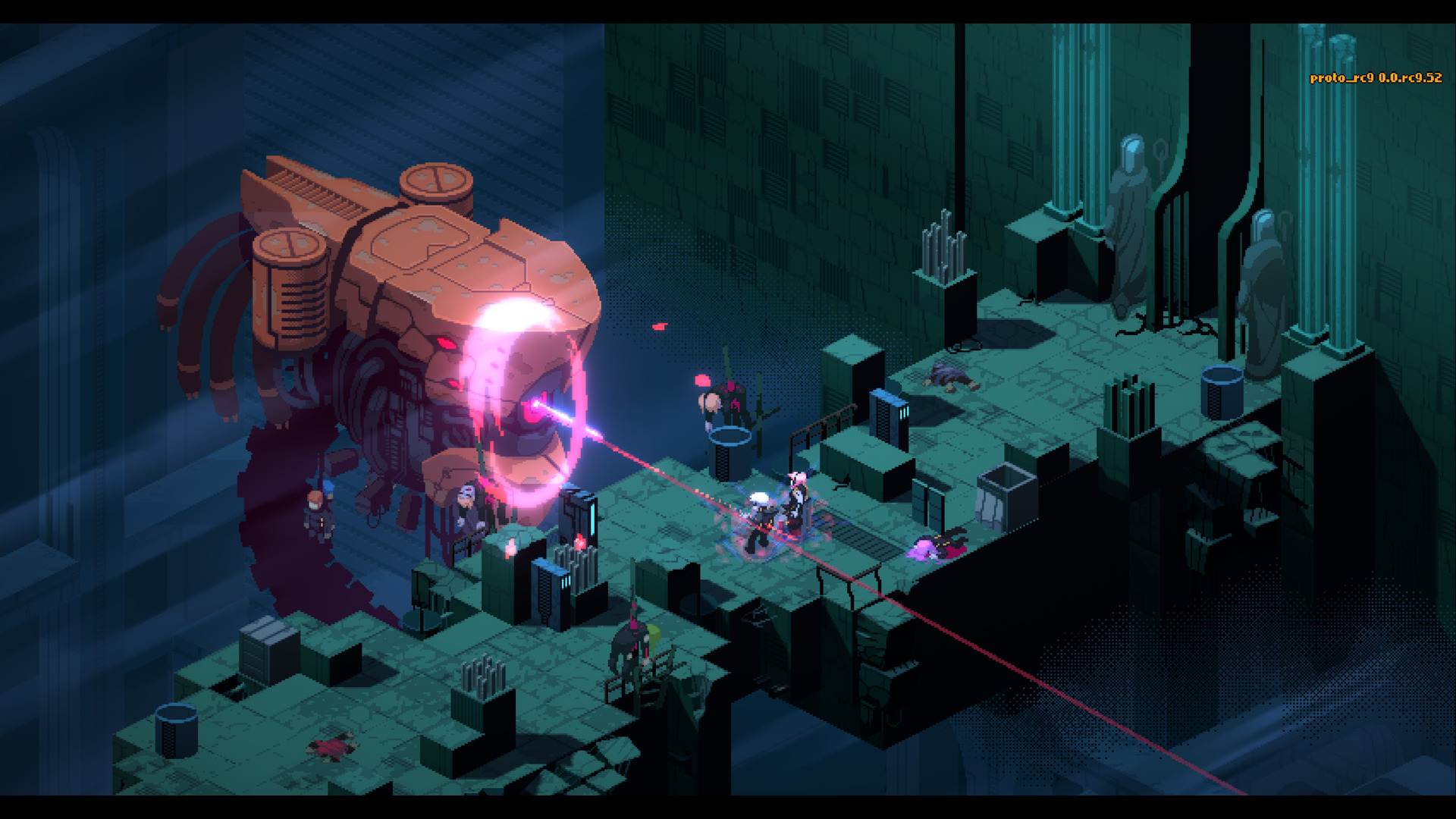
DeathTower is an overclocked roguelite tactical RPG. Your objective is simple: to survive each floor of the megastructure. Stealth, hacking, devastating weapons... Do whatever it takes to fight your way to the top. But be careful along the way, or your body may be destroyed, forcing you to restart the adventure from the beginning! Though officially empty, each floor has its own ecosystem, designed to serve the tower’s masters. Discover a hidden world with its own resources, challenges and dynamics you will need to understand in order to keep climbing faster and higher.The development has started since 2019 (5 years), to build this game Headbang have forged a cutting edge pixel art rendering technology in C++ called R. It allows to keep the sharp, dented, razor-crafted pixels without sacrificing fidelity or lightning and preserve the sense of volume and scale. This gives the game a very unique look, every animation and art is handcrafted.
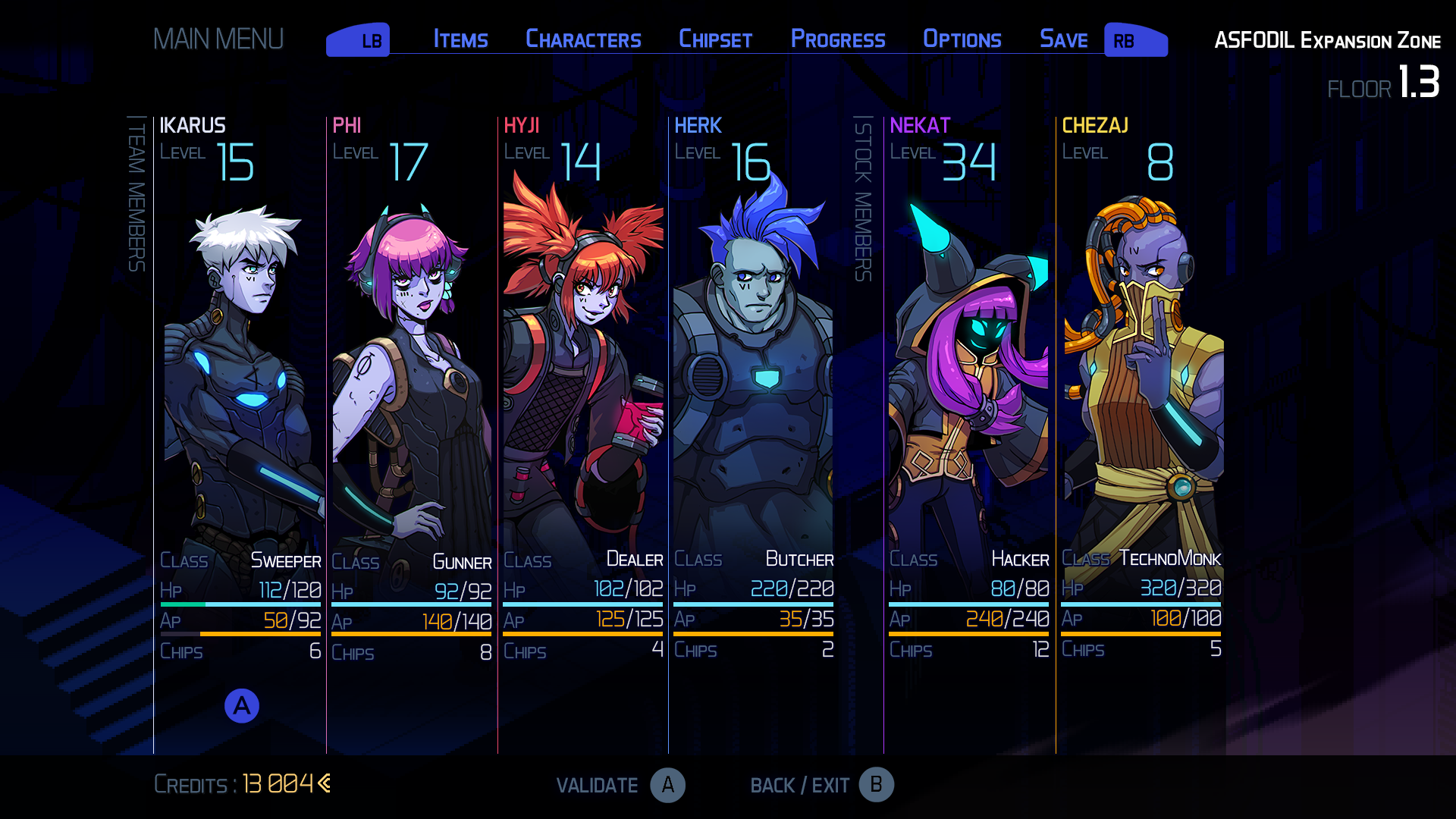
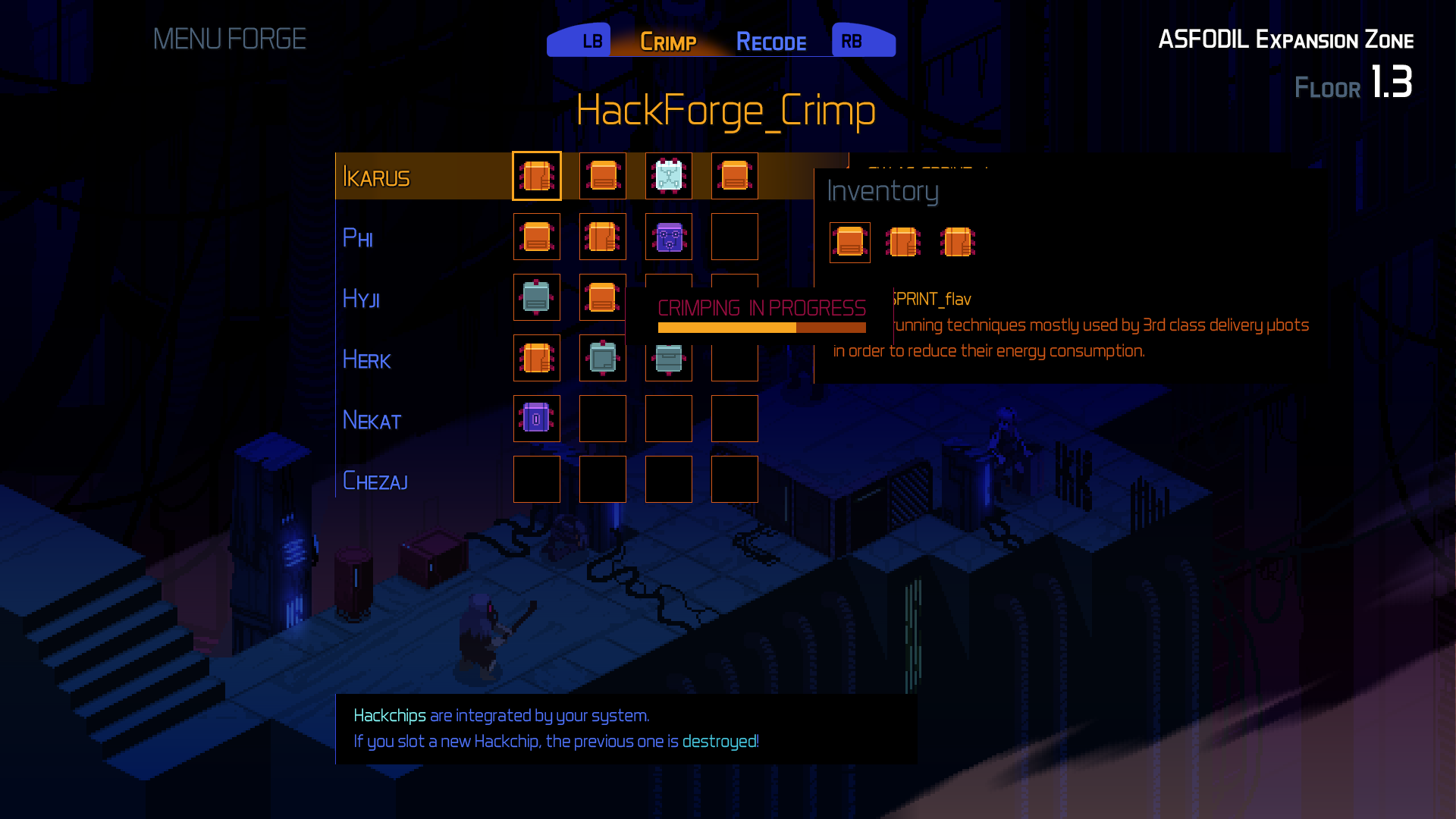
I primarily worked on gameplay programming within the studio\'s in-house engine, developed in C++. This technical context allowed me to move beyond the Unity framework and work on lower- level systems, with a different approach to gameplay structuring.Specifically, I implemented several key game systems, such as follower behavior, the game\'s first boss, and one of the dialogue systems. This work required a thorough understanding of the engine\'s existing tools (data driven, behavior tree, nodes, Dijkstra), while also being able to adapt them to the specific needs of the gameplay. I also participated in the UI integration (flow system, similar to CSS) as well as certain UX aspects, bridging the gap between technical constraints and player readability.
On a more ad-hoc basis, I also contributed to adjustments at the engine level itself, particularly regarding issues such as DPI awareness and image cropping. While these interventions remained focused, they gave me a better understanding of the engine\'s lower layers and its rendering pipeline. This project was an important opportunity to strengthen my C++ skills applied to video games, by working on a proprietary engine and adapting to its constraints and internal tools.
This project allowed me to take a significant step forward in my development practice by working directly in C++ on a proprietary engine. Moving away from the Unity environment led me to approach gameplay issues from a lower-level perspective, gaining a better understanding of the interactions between the game\'s various systems and their integration within the engine.Working on UI integration also allowed me to better grasp the specific constraints of the interface in a custom engine, particularly in terms of structure, readability, and consistency with the gameplay. Using a flow system similar to CSS gave me a more systemic approach to UI, making me think more in terms of composition and behavior than simply placing elements.I gained proficiency with data-driven architectures and more abstract internal tools (nodes, behavior trees), while also developing my ability to adapt to existing technical environments. Having to understand and use a custom engine also taught me to be more independent in exploring and adopting new codebases.Finally, the occasional interventions on the engine itself allowed me to better grasp the constraints related to rendering and more fundamental technical aspects, thus strengthening my overall understanding of how a game works beyond just the gameplay layer.